
Spring is a season of renewal, but in the restaurant industry, it’s also a season of acceleration. Lighter menus, seasonal specials, catering events, and unpredictable guest volume can strain even well-run kitchens. If prep systems aren’t optimized, labor inefficiencies, ingredient waste, and inconsistent execution quickly follow.
Streamlining kitchen prep is not about cutting corners. It’s about building smarter systems that support speed, quality, and consistency, especially during seasonal transitions. Below are seven practical strategies restaurants can implement this spring to simplify operations while maintaining culinary excellence.
1. Reset Your Prep List Around Seasonal Menu Engineering
Spring menu shifts often introduce fresh herbs, vegetables, lighter proteins, and specialty items. Instead of layering these onto existing prep routines, operators should conduct a full prep audit.
· Eliminate redundant SKUs
· Cross-utilize ingredients across dishes
· Reduce single-use specialty items
· Standardize batch sizes
By aligning prep lists directly with seasonal menu strategy, kitchens reduce overproduction and unnecessary labor.
Pro Tip: Build prep sheets based on projected covers, not guesswork. Use sales data from the same period last year to forecast more accurately.
2. Consolidate Protein Sourcing for Efficiency
Proteins often account for the largest portion of food cost and prep time. Managing multiple vendors for beef, poultry, and deli items increases logistical complexity.
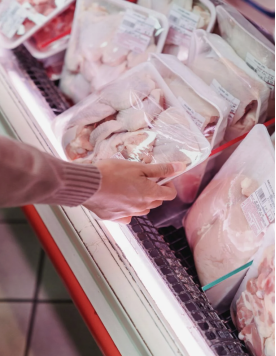
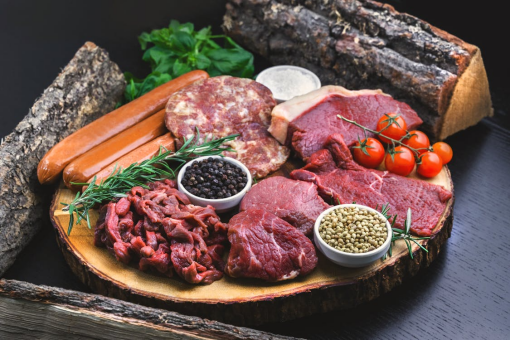
Partnering with reliable wholesale meat suppliers simplifies ordering, ensures consistent cuts, and supports predictable pricing. When protein sourcing is centralized, kitchens gain better portion control and inventory visibility.
For delis, cafes, and sandwich-focused concepts, ordering deli meat online from a trusted supplier can reduce ordering friction and maintain a steady inventory flow.
The key advantage? Fewer emergency runs, fewer substitutions, and more consistent prep execution.
3. Implement Lean Mise en Place Systems
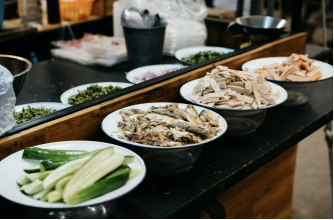
Spring menus often feature high-turnover ingredients such as leafy greens, citrus, and fresh herbs. Without tight mise en place discipline, these perishables spoil quickly.
To streamline kitchen prep:
· Use smaller, more frequent batch prep
· Label clearly with prep and discard dates
· Store high-turn items at eye level for faster access
· Assign prep responsibilities by station
According to the Food and Agriculture Organization (FAO), approximately one-third of food produced globally is lost or wasted. While that statistic spans the entire supply chain, restaurants can reduce their share of waste through better prep controls and portion discipline.
Spring’s perishable-heavy menus make waste prevention even more critical.
4. Standardize Ordering Schedules
Unpredictable deliveries disrupt prep flow. Instead of reactive purchasing, kitchens should establish fixed ordering cycles aligned with usage patterns.
Working with dependable food distributors in NJ and the Tri-State area enables:
· Scheduled, reliable delivery windows
· Consolidated ordering across categories
· Better communication regarding substitutions
Consistency in delivery timing supports consistency in prep output.
5. Cross-Train Prep Staff for Flexibility
Seasonal spikes can strain labor allocation. Cross-training prep staff across stations reduces bottlenecks and improves adaptability.
Benefits include:
· Reduced downtime during slow periods
· Faster response to unexpected rushes
· Improved accountability across stations
When prep roles are flexible, kitchens avoid dependency on single-point personnel, a critical advantage during high-volume spring weekends.
6. Simplify Inventory Through Full-Line Distribution
Managing produce from one vendor, meat from another, dairy from a third, and specialty items from a fourth increases administrative overhead.
Partnering with established Tri-State food distributors operating full-line systems allows restaurants to consolidate:
· Proteins
· Fresh produce
· Frozen items
· Dry goods
· Specialty ingredients
This consolidation streamlines procurement, reduces invoice tracking complexity, and creates stronger supplier relationships. When supply chains are simplified, prep systems follow.
7. Design Prep Around Speed of Service
Spring typically brings increased patio dining, catering, and event-driven traffic. Prep systems must support speed without sacrificing quality.
Operators should:
· Pre-portion proteins during slower shifts
· Pre-slice high-turn deli meats
· Batch sauces in clearly labeled containers
· Set up grab-and-go components for quick assembly
Restaurants sourcing from dependable wholesale meat suppliers and trusted regional distributors often benefit from consistent product sizing, which improves portion accuracy and accelerates plating.
The Hidden Benefit: Labor Optimization
Labor costs remain one of the largest controllable expenses in restaurant operations. When prep workflows are inefficient, overtime and burnout follow.
Streamlining kitchen prep reduces:
· Redundant knife work
· Re-prepping spoiled items
· Time spent searching for ingredients
· Last-minute substitutions
The result is a calmer, more focused kitchen environment even during peak spring demand.
Final Thoughts
Spring presents both opportunity and operational pressure for restaurants. Seasonal ingredients, increased guest traffic, and evolving menus require more than creativity; they demand structure. By focusing on streamlining kitchen prep through disciplined inventory control, consolidated sourcing, lean mise en place systems, and strategic vendor partnerships, operators can reduce waste, improve labor efficiency, and maintain consistent execution.
The kitchens that perform best during seasonal shifts are those built on clear processes and reliable supply chains. With the right preparation strategy in place, spring becomes a season of growth rather than growing pains.
Make Spring Simpler with a Smarter Supply Partner
Let’s Simplify Your Kitchen Operations Together!
At Apito Provisions Inc., we understand how critical streamlined prep is during seasonal transitions. As one of the trusted food distributors in NJ serving the broader Tri-State region, we help restaurants consolidate sourcing, maintain consistent protein quality, and access specialty ingredients without juggling multiple vendors.
We work closely with chefs and operators to support efficient ordering, dependable delivery schedules, and diverse product availability, from center-of-the-plate proteins to online deli meat solutions.
If your team is ready to reduce prep friction and improve operational flow this spring, we invite you to connect with us today. Together, we can build a smarter, more efficient kitchen supply strategy that supports consistency, quality, and growth.
Spring doesn’t have to mean chaos in the kitchen. With structured systems, disciplined prep routines, and a reliable distribution partner, restaurants can turn seasonal demand into operational advantage.