
The New Year period brings heightened expectations, compressed timelines, and evolving menu demands. Kitchens preparing for this season benefit from thoughtful planning that balances creativity with practicality. New Year's catering succeeds when menus feel festive yet operationally realistic. Ingredient choices, ordering cycles, and prep workflows all shape how smoothly service unfolds. Seasonal demand often amplifies pressure on sourcing and storage. A structured approach helps reduce stress while maintaining consistency. Strategic ingredient pairing supports both efficiency and presentation. Clear preparation frameworks allow teams to focus on execution rather than last-minute adjustments.
Understanding Seasonal Demand Without Overcomplicating Planning
Seasonal catering requires awareness of shifting consumption patterns and limited preparation windows. New Year menus often feature items that feel celebratory without demanding complex preparation. Aligning offerings with reliable inventory access supports steady output. Sourcing partners classified as wholesale food suppliers often help simplify availability planning. Broader industry insight from food distribution companies also informs realistic menu design. Overly broad selections tend to increase waste and slow preparation cycles. Focused planning encourages better batch control and smoother workflow. Clear forecasting strengthens confidence across the entire kitchen process.
Designing Menus That Balance Festivity and Practicality
perform best when ingredients serve multiple purposes. Thoughtful selection reduces excess ordering and storage congestion. Reliable access through food service suppliers supports consistent quality across varied applications. A single core ingredient can anchor multiple menu items with minimal adjustment. Coordination with a dependable food product supplier helps maintain continuity during peak periods. Flavor-forward preparations often rely more on technique than novelty. Balanced menus support faster prep while maintaining visual appeal. This approach keeps production manageable even under increased demand.
Ingredient Pairing Strategies That Reduce Waste
Efficient kitchens prioritize ingredient overlap across menu offerings. Shared components limit spoilage while improving purchasing accuracy. Items sourced through wholesale food distributors often allow flexible portioning for multiple uses. Pairing ingredients with similar storage requirements simplifies inventory rotation. Thoughtful combinations also reduce trimming and byproduct loss. Predictable preparation outcomes enhance staff confidence during busy shifts. Waste reduction supports cleaner workspaces and smoother transitions. Strategic pairing ultimately protects margins without compromising seasonal appeal.
Streamlining Ordering Cycles for Holiday Rush Periods
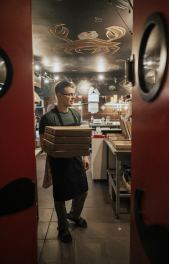
Ordering schedules benefit from alignment with preparation timelines. Consolidated purchasing windows help maintain inventory clarity. Working alongside deli meat distributors supports consistency when volume increases. Predictable order patterns reduce last-minute substitutions. Coordinated delivery planning minimizes interruptions to prep flow. Simplified ordering also helps teams track usage trends. Efficient cycles create breathing room during peak service moments. Structured purchasing strengthens overall kitchen rhythm.
Leveraging Digital Sourcing for Seasonal Flexibility
Digital procurement channels add flexibility during high-pressure seasonal planning. Accessing product information, specifications, and availability through deli meat online platforms supports faster decision-making without disrupting preparation flow. This approach allows teams to compare formats, storage requirements, and usage potential before committing to orders. Digital visibility also improves internal coordination by aligning prep plans with confirmed supply details. During New Year periods, streamlined sourcing reduces administrative strain while supporting smoother back-of-house operations. When used strategically, online sourcing becomes a planning tool rather than a reactive solut
Optimizing Storage and Prep Flow for Peak Efficiency
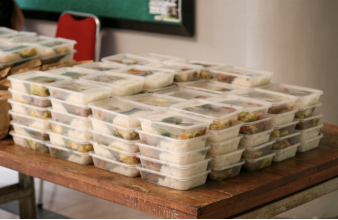
Storage organization plays a quiet but vital role during seasonal surges. Clearly labeled zones support faster retrieval and rotation. Products like wholesale deli meat benefit from consistent temperature control and access. Logical placement reduces unnecessary movement during prep. Streamlined layouts support cleaner transitions between tasks. Prep flow improves when storage mirrors menu structure. This alignment minimizes delays and cross-handling. A well-ordered space reinforces calm during high-demand periods.
Maintaining Consistency Across High-Volume Service
Consistency anchors guest satisfaction during busy seasons. Repetition in preparation methods builds speed without sacrificing quality. Items such as wholesale lunch meat offer predictable handling characteristics. Standardized portions support even presentation across batches. Clear prep guidelines reduce decision fatigue for staff. Consistency also simplifies replenishment planning. Reliable output strengthens operational confidence. Uniform results help maintain momentum throughout the New Year rush.
Supporting Teams Through Clear Communication and Planning
Clear internal communication strengthens seasonal performance. Shared prep schedules align expectations across roles. Ingredient availability updates prevent last-minute confusion. Access to dependable supply channels supports proactive planning. Transparent workflows encourage accountability and cooperation. Teams perform better when objectives feel achievable. Structured planning reduces friction during peak moments. Effective coordination turns seasonal pressure into controlled execution.
Smart Menu Strategies for the Holidays
Efficient New Year’s catering relies on designing menus that streamline preparation and reduce waste. Selecting versatile ingredients allows multiple dishes to share components, saving both time and storage space. Collaborating with a food product supplier ensures access to consistent, high-quality items that support creative menu options. Incorporating seasonal flavors strategically can excite customers while keeping kitchen operations manageable. Staff training paired with well-planned prep schedules ensures smooth service during peak holiday periods. By balancing creativity with operational efficiency, kitchens can handle increased demand without overextending resources, resulting in a more controlled and enjoyable catering experience.
Partnering for the Season Ahead
Seasonal demand underscores the importance of structured sourcing and disciplined preparation workflows. New Year catering planning is most effective when ordering is aligned, inventory logic is clearly defined, and coordination remains steady—reducing reactive decisions and enabling consistent kitchen output during peak periods. Working closely with restaurant food suppliers in New Jersey allows planning to reflect regional supply patterns, while ordering frameworks informed by Tri-State food distributors help balance volume with storage capacity. At Apito Provisions Inc., we bring distribution insight shaped by real seasonal operating conditions. Reach out today to learn how our services can help make upcoming New Year periods more controlled and predictable.