
Winter changes the way kitchens operate. Shorter days, colder temperatures, and shifting consumer preferences all influence what ingredients are most practical, comforting, and versatile during this season. From hearty produce to shelf-stable essentials, thoughtful winter planning can help kitchens stay efficient, consistent, and prepared for higher-demand periods. Understanding which winter ingredients for the kitchen make sense now—and how they fit into broader sourcing strategies—can support smoother operations without overcomplicating purchasing decisions. Below, we explore seasonal ingredient categories worth stocking and why winter is the ideal time to focus on them.
Root Vegetables and Hardy Produce
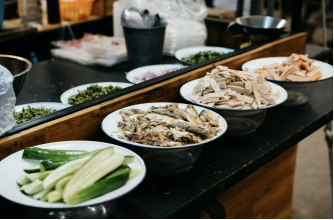
Root vegetables and cold-tolerant produce are foundational winter ingredients. Items such as carrots, turnips, parsnips, cabbage, and squash store well and maintain quality over longer periods, making them ideal for colder months. Their durability reduces waste while offering flexibility for soups, sides, and prepared dishes. Many kitchens look to wholesale food suppliers for these seasonal staples, as larger distribution channels often provide consistent access to produce that aligns with winter demand cycles. Stocking hardy produce ensures reliability when fresh options become more limited.
Shelf-Stable Pantry Staples
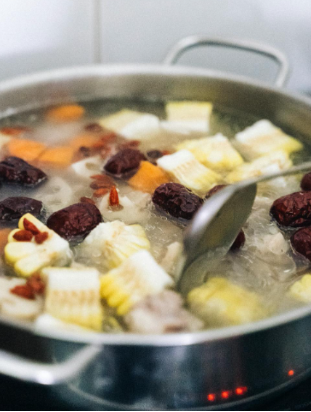
Winter kitchens rely heavily on pantry staples that support comfort-focused menus and efficient preparation. Dry grains, legumes, cooking oils, broths, and preserved vegetables form the backbone of many winter recipes. These items help balance fresh inventory needs while keeping menus adaptable. Working with food distributors can simplify access to bulk pantry items, ensuring steady supply during unpredictable winter weather conditions. Shelf-stable ingredients also help kitchens manage costs by reducing last-minute sourcing challenges.
Protein and Deli-Based Essentials
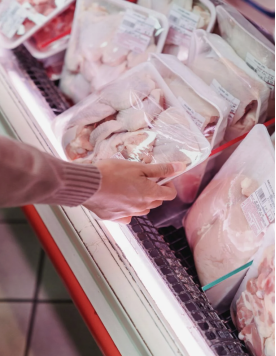
Cold-weather menus often lean on hearty protein options that can be prepared in advance or incorporated into warming dishes. Deli-based proteins, sausages, and cured selections are especially practical during winter due to their storage stability and versatility. Many kitchens partner with wholesale meat suppliers to source these items efficiently while maintaining consistent specifications. Winter stocking strategies typically prioritize proteins that hold well under refrigeration and can support multiple applications without frequent reordering.

Comfort-Focused Baking and Cooking Ingredients
Winter drives demand for baked goods and slow-cooked dishes, making baking ingredients especially important. Flour, sweeteners, leavening agents, and cooking fats are essential for seasonal preparation. Spices such as cinnamon, nutmeg, and cloves also see increased use during colder months. Reliable access through food service suppliers allows kitchens to maintain adequate stock levels while adjusting volume as demand fluctuates. These ingredients help support seasonal offerings without requiring major operational changes.
Frozen and Extended-Life Ingredients
Frozen vegetables, prepared doughs, and extended-life ingredients play a critical role in winter inventory planning. Weather-related disruptions can impact fresh deliveries, making frozen options a practical backup. Sourcing through wholesale food distributors ensures kitchens have access to products designed for long-term storage without sacrificing usability. These ingredients help balance fresh inventory and reduce reliance on frequent deliveries during harsh winter conditions.
Deli and Ready-to-Use Selections
Deli selections are particularly valuable in winter due to their versatility and ease of preparation. Sliced proteins, frankfurters, and lunch meats can support a wide range of menu applications while minimizing prep time. Many operations look for a deli meat distributor to streamline sourcing and maintain consistency across batches. Winter stocking often emphasizes products that offer flexibility, portion control, and predictable shelf life.
Planning Ahead with Distribution Networks
Winter is also the season to reassess sourcing strategies and distribution partnerships. Planning ahead helps kitchens navigate seasonal demand shifts, delivery delays, and inventory fluctuations. Collaborating with Tri-State food distributors can provide broader access to diverse product lines while supporting continuity across regions. Strong distribution planning ensures winter ingredients are available when needed, without excessive overstocking or last-minute substitutions.
Long-Life Cooking Oils and Fats
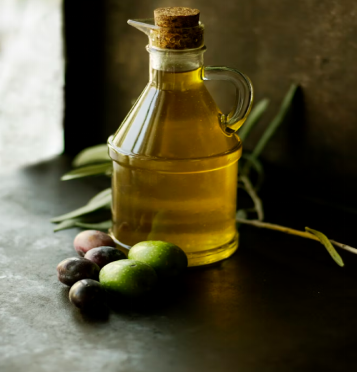
Cooking oils and shelf-stable fats become especially important during winter, when kitchens often rely on roasting, baking, and slow-cooking techniques. These ingredients have long storage lives and support a wide range of seasonal preparations without requiring frequent replenishment. Working with a dependable food product supplier helps ensure consistent access to essential oils and fats that maintain performance in colder conditions, supporting both efficiency and planning throughout the winter months.
Condiments and Preserved Flavor Enhancers
Winter menus often lean on preserved condiments such as sauces, spreads, pickled vegetables, and seasonings to add depth and balance to heavier dishes. These items are easy to store and allow kitchens to enhance flavour profiles without increasing prep complexity. Sourcing through food distributors can simplify inventory management by offering a broad range of preserved ingredients that remain reliable during seasonal supply fluctuations, making them a smart addition to winter stocking strategies.
Bulk Seasonings and Dry Flavor Foundations
Dry seasonings, herbs, and spice blends form the flavour foundation of many winter dishes, especially those prepared in larger batches. These ingredients store well, maintain their intensity over time, and allow kitchens to adjust flavour profiles without changing core preparations. Stocking a reliable selection of dry flavour components supports consistency and efficiency throughout the winter season, particularly when menus rely on warming, slow-cooked, and baked items.
Preparing Your Kitchen for Winter with the Right Distribution Partner
As winter settles in, we see firsthand how thoughtful ingredient planning can make a meaningful difference in day-to-day kitchen operations. Seasonal shifts create a real need for dependable access to products that store well, perform consistently, and arrive through reliable channels. At Apito Provisions Inc., we work closely with businesses seeking a streamlined way to source from food distributors in New Jersey offering access to a full-line assortment that supports winter readiness. From pantry staples and deli selections to extended-life essentials, our approach emphasizes flexibility, steady supply, and regional reach through established restaurant food suppliers in New Jersey.
If you’re navigating winter sourcing challenges, we invite you to learn more about our background and approach, then reach out to start a conversation about how we can support your seasonal needs with clarity and confidence.