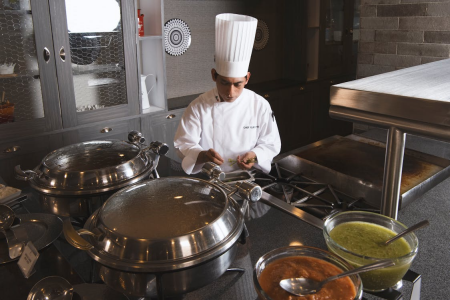

Running a restaurant is like conducting an orchestra. Every ingredient plays a critical role, and even a small gap in your pantry can disrupt the entire performance. From proteins to grains, dairy to specialty groceries, having the right products on hand ensures your kitchen runs smoothly, orders are fulfilled, and customers leave satisfied.
Seasonal fluctuations, menu changes, and unpredictable demand can create challenges for restaurant managers. Missing a key ingredient not only impacts your dishes but can affect service speed and customer satisfaction. That’s why partnering with a reliable restaurant food supplier in New Jersey and across the Tri-State area, and keeping a complete inventory of essential ingredients for restaurants, is critical.
The Backbone of Your Menu: Proteins
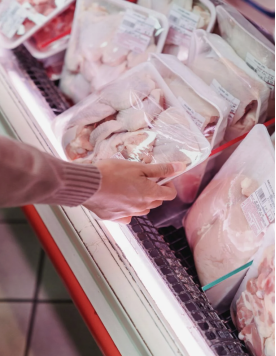
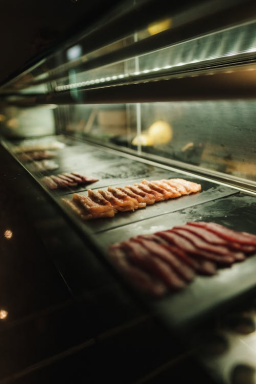
Proteins form the foundation of most menus, from signature entrees to seasonal specials. A well-stocked kitchen should include:
· Fresh and frozen meats: chicken, beef, pork
· Seafood: fish, shellfish, and value-added options
· Plant-based proteins: legumes, tofu, and alternative meat options
Working with trusted wholesale meat suppliers ensures you receive high-quality products consistently. According to a survey, 43% of diners want to eat premium protein meals, making stocking decisions both operationally and financially important.
Pro Tip: Rotate proteins based on seasonal availability. For example, lighter fish and poultry in spring/summer, and heartier beef and pork cuts in fall/winter. This strategy reduces waste and maintains freshness.
Dairy and Eggs: The Unsung Heroes
Dairy products and eggs are often overlooked until a shortage occurs. From creamy sauces to baked goods and breakfast dishes, having a reliable supply is essential. Key items include:
· Milk, cream, and butter
· Cheeses: soft, hard, and specialty
· Eggs, including specialty varieties like cage-free or organic
Maintaining a strong relationship with a restaurant food supplier helps you navigate market fluctuations in dairy prices and ensures consistent delivery.
Grains and Pantry Staples
No kitchen can operate without staple ingredients like flour, rice, pasta, and canned goods. These items form the backbone of countless dishes and side preparations. Essentials to stock:
1. Flours: all-purpose, whole wheat, gluten-free options
2. Rice and grains: long-grain, short-grain, quinoa, farro
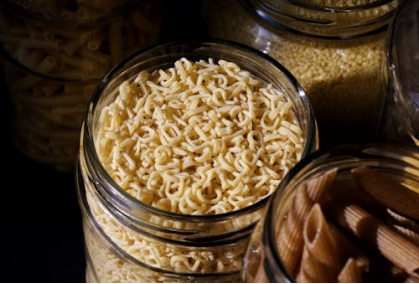
3. Pasta: traditional and specialty shapes
4. Canned and dried goods: tomatoes, beans, sauces, and condiments
Proper stock levels reduce the need for last-minute emergency orders and allow chefs to focus on creativity rather than supply gaps.
Restaurants that maintain a well-stocked pantry report faster order fulfillment and lower food waste than establishments with inconsistent supply.
Specialty Grocery Items
Signature dishes often rely on specialty ingredients to elevate the menu. These can include:
· Spices, herbs, and seasonings
· Unique sauces and condiments
· Imported or hard-to-find items for international cuisine
Working with a full-line distributor ensures that even niche ingredients are available without needing multiple vendors. This saves time, reduces complexity, and keeps your kitchen fully equipped for menu innovation.
Smart Ordering Strategies
Efficient inventory management starts with smart ordering. Here are key strategies:
· Set par levels for each item to avoid overstocking or shortages.
· Track seasonal trends to anticipate spikes in demand.
· Schedule regular delivery cycles with your distributor to maintain freshness.
· Leverage a full-line distributor to source proteins, pantry staples, dairy, and specialty items in one place.
By implementing these strategies, kitchens can avoid last-minute shopping, reduce stress on staff, and ensure a smoother service experience.
The Role of a Trusted Distributor
Partnering with a reliable wholesale meat supplier or restaurant food supplier in New Jersey, serving the greater Tri-State area, goes beyond delivery. A full-line distributor can:
· Provide timely and consistent access to essential ingredients for restaurants
· Offer insights on seasonal product availability and menu planning
· Streamline procurement, reducing administrative overhead and waste
A distributor that understands your operation helps you maintain flexibility, adapt to changing menus, and ensure quality in every dish served.
Pro Tip: Consider using one distributor for all categories: meat, dairy, produce, and pantry staples. Consolidating orders reduces errors, saves time, and strengthens supplier relationships.
Inventory Checks and Rotation
Regular inventory audits prevent shortages and spoilage. Best practices include:
· Conduct weekly inventory counts and adjust orders accordingly
· Rotate stock to use older items first
· Label all products with received dates
· Train staff on proper storage and handling
Consistent oversight ensures that your menu can be executed flawlessly and supports cost control initiatives.
Seasonal Planning and Menu Adaptation
Seasonal ingredients are a great way to keep menus fresh and appealing. Incorporating seasonal vegetables, fruits, and proteins enhances flavor and reduces costs. Examples include:
1. Spring: asparagus, peas, strawberries, light fish
2. Summer: tomatoes, zucchini, berries, chicken
3. Fall: squash, root vegetables, hearty meats
4. Winter: citrus, cabbage, root vegetables, beef
A knowledgeable Tri-State food distributor can provide guidance on seasonal availability, making menu adaptation simpler and more predictable.
Final Thoughts
A well-stocked kitchen is more than convenience; it’s a foundation for operational efficiency, menu creativity, and customer satisfaction. From proteins and dairy to grains, pantry staples, and specialty items, maintaining a complete product mix ensures chefs can focus on crafting exceptional dishes rather than scrambling for ingredients. Strategic planning, smart ordering, and a trusted distributor are the keys to success in today’s fast-paced restaurant environment.

Keep Your Kitchen Fully Stocked with Apito Provisions Inc.
As dependable restaurant food suppliers in New Jersey, serving the greater Tri-State area, we help restaurants stay prepared year-round with essential ingredients for restaurants, high-quality proteins, fresh produce, dairy, and dependable pantry items. Partner with us to streamline procurement, reduce waste, and maintain consistent service for every menu. Let’s get your orders ready. Contact Apito Provisions today!