
Summer brings longer days and fuller order books, but it also introduces one of the most consistent operational challenges in the commercial kitchen: heat-driven spoilage. The warmer the ambient environment, the more pressure every ingredient in your walk-in faces, and preventing food waste in those conditions requires a more proactive approach than a standard rotation schedule can handle alone. Choosing the right food distribution companies is part of that equation — how often you restock, how well your orders match actual throughput, and how efficiently products move through your kitchen all connect back to the supply relationship. Reviewing our product catalog can help you identify smarter ordering patterns to carry into your summer kitchen planning.
Why Summer Kitchens Lose More Product Than They Realize
Most kitchen operators have a general sense that summer is harder on food quality, but the full extent of the loss often does not show up until someone does a careful audit at the end of a busy week. Ambient heat accelerates bacterial growth on any product that is not stored correctly, reduces the usable window for fresh items, and creates temperature stress for anything moving between a delivery dock and refrigerated storage. Kitchens that open back doors during hot weather, run walk-ins at marginal temperatures, or stage product in prep areas for extended periods during a rush are all introducing spoilage risks that compound over a full-service week. Food safety guidance from the CDC outlines the temperature danger zone and its implications for commercial food storage, and reviewing those standards during summer is worth more than it costs in time.
The less obvious driver of summer waste is over-ordering. When demand projections are based on winter or spring averages and are not adjusted for summer heat and seasonal menu shifts, operations end up receiving more product than they can move through before quality deteriorates. That pattern is both a sourcing problem and an ordering discipline problem, and addressing both is what brings waste down meaningfully.
FIFO and Par-Level Ordering as Your First Line of Defense
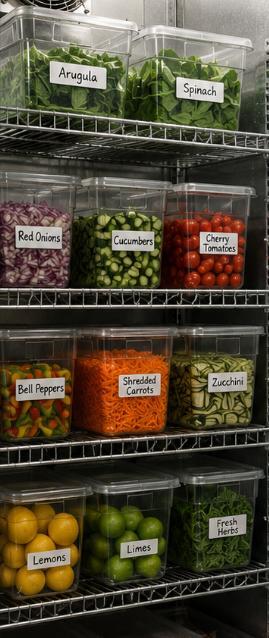
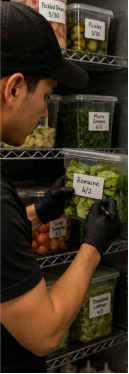
FIFO — first in, first out — is the most fundamental inventory discipline in a commercial kitchen, and its importance increases significantly in summer. Labeling products with receipt dates, rotating new arrivals to the back of the shelf, and pulling from the front ensures that nothing sits past its peak. In a high-volume summer kitchen where deliveries are coming in multiple times per week, skipping that rotation step even once can result in product from a Monday delivery sitting behind product from Thursday, invisible and deteriorating.
Par-level ordering should be reviewed at the start of summer. The par level that worked in February may over-supply your kitchen by July if seasonal menu changes reduce usage of certain products. Setting levels based on actual summer usage data from the prior year gives you a more accurate baseline than adjusting by feel. Ordering closer to actual demand reduces the inventory sitting in cold storage at any given time, cutting both spoilage and energy costs.
Cold Storage Planning for High-Temperature Months
Walk-in refrigerators and reach-in coolers work harder in summer, and that additional strain shows up in the form of temperature variance, especially during peak service periods when doors open frequently. Investing in a temperature log during the summer months gives you data to identify patterns and address them before they create a food safety issue. Gaskets, door seals, and condenser coils should be checked more frequently from May through August than during cooler months — deferred maintenance on refrigeration equipment is one of the most avoidable sources of summer spoilage.
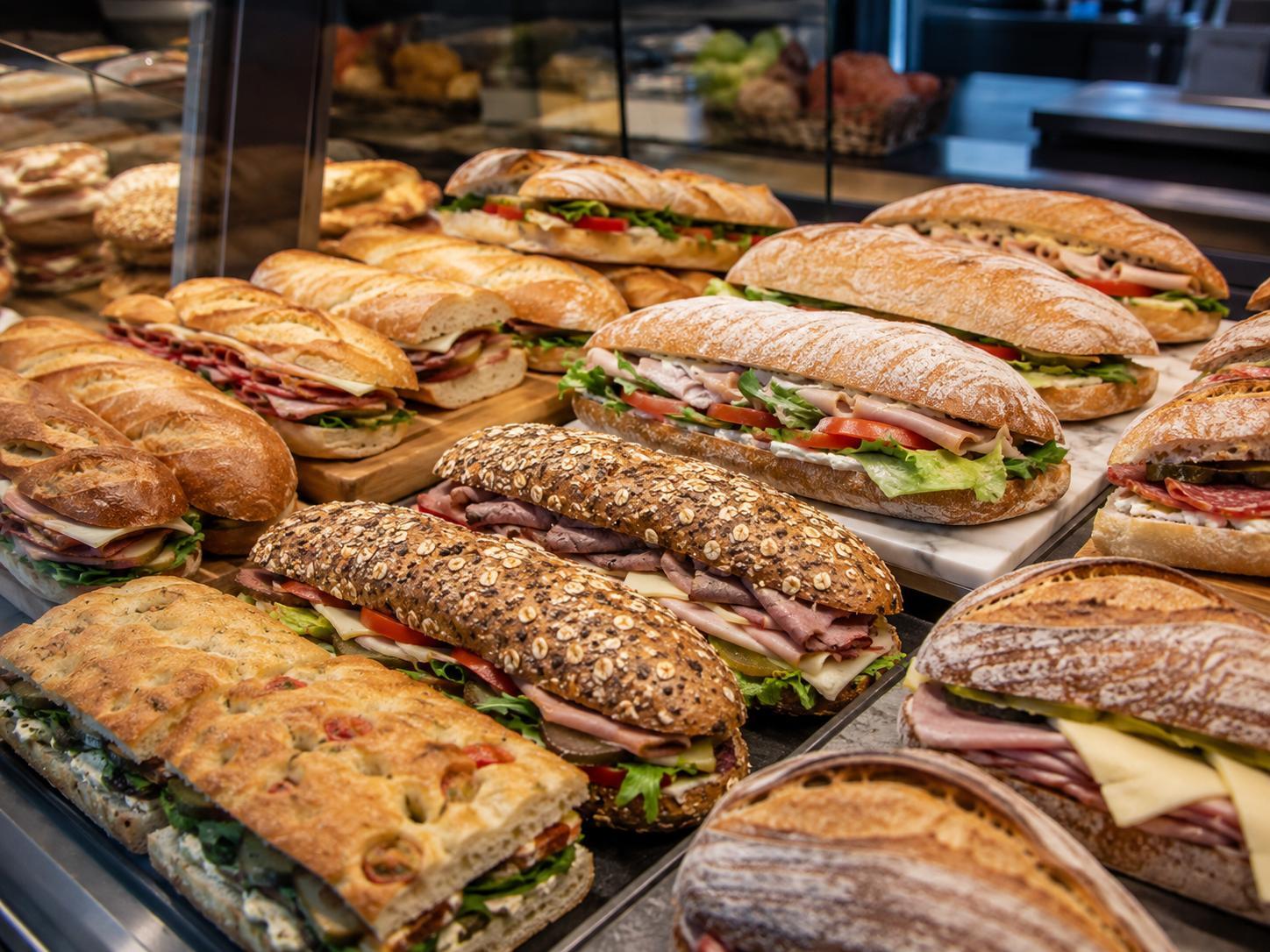
Deli products are among the most temperature-sensitive items in a kitchen, and sourcing from a reliable wholesale deli meat distributor helps reduce the time between production and delivery. Products traveling in well-maintained refrigerated vehicles spend less time in conditions that could compromise quality, resulting in a longer usable window for your deli inventory. Food waste research from ReFED identifies supply chain cold chain failures as one of the significant contributors to commercial food waste, particularly in warm-weather service environments.
How Smarter Ordering Strategies Reduce Spoilage Before It Starts
The most direct way to reduce summer waste is to align your order volumes more closely with your actual projected throughput. That means ordering more frequently in smaller quantities during weeks where demand is uncertain, reserving larger bulk orders for periods where you have confirmed bookings or strong historical data to support the volume. A distributor who can accommodate flexible order frequency is worth significantly more in summer than one locked into fixed weekly delivery windows.
Communicating demand projections to your distributor also helps. When your supply partner knows you have a high-volume week coming up, they can adjust their delivery schedule and hold the right quantities. When a quiet week follows, you can pull back without penalty. That kind of adaptive ordering structure is what the EPA's framework on wasted food reduction identifies as one of the highest-impact strategies for commercial operations looking to reduce waste without sacrificing service quality. The payoff is not just less waste — it is a more controlled cost structure across the months when heat makes every inventory decision more consequential.

Waste Less, Stock Smarter: Your Summer Kitchen Deserves a Better System
Apito Provisions has supplied operations across New Jersey and the Tri-State area as a full-line food distributor since 1982. Our catalog gives kitchens access to everything from specialty deli products to proteins, dry goods, and condiments, with a digital ordering system that supports smarter, more demand-matched purchasing. Partnering with the right deli meat distributor in New Jersey gives your summer kitchen a supply foundation that works with your actual usage patterns rather than against them.
When you are looking for a meat distributor who can match your pace, support flexible ordering, and help reduce the gaps that drive spoilage, the conversation starts with a call. Learn more about Apito Provisions and what we carry across our full product range. Contact our team today to get started on a supply approach that works better this summer.