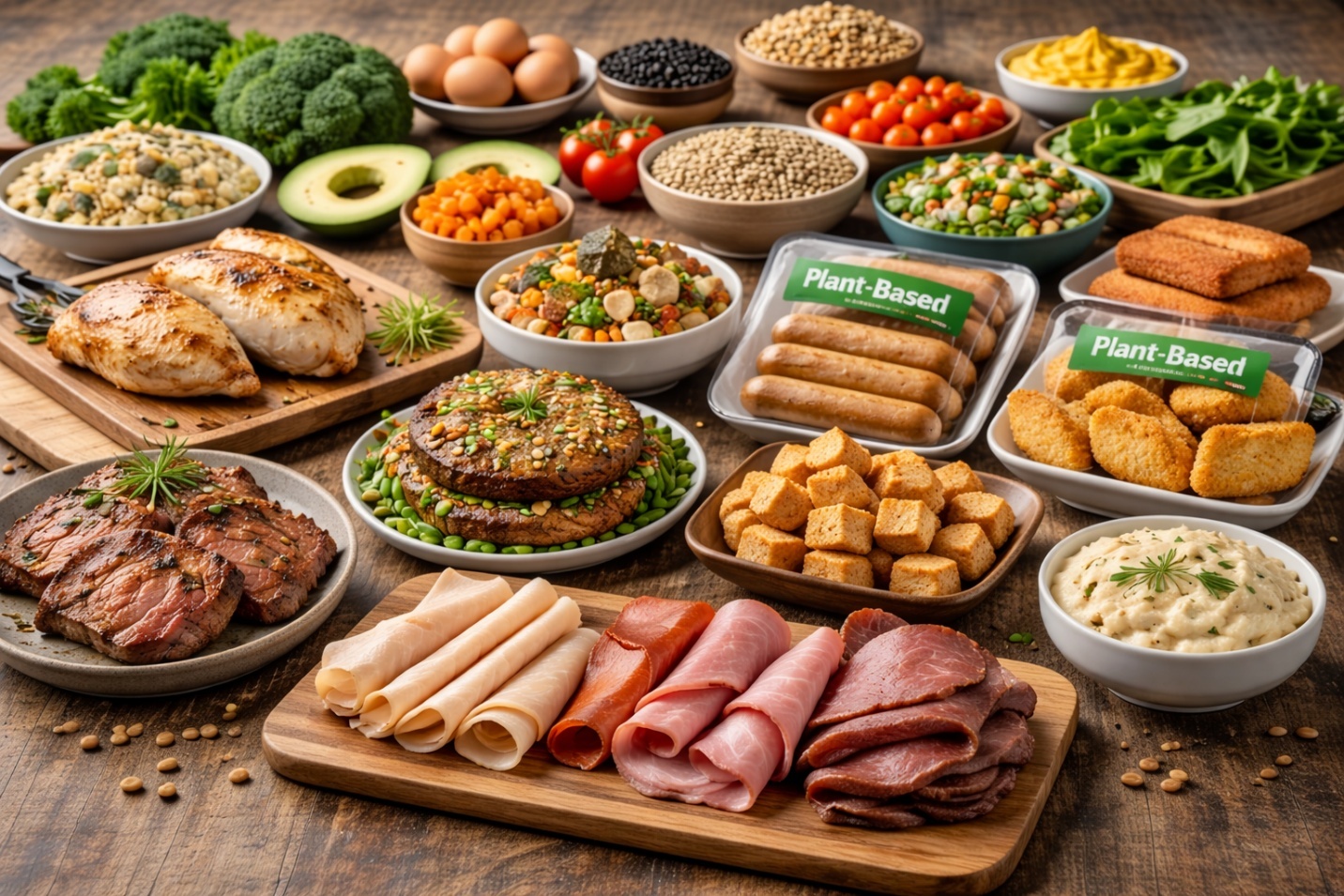
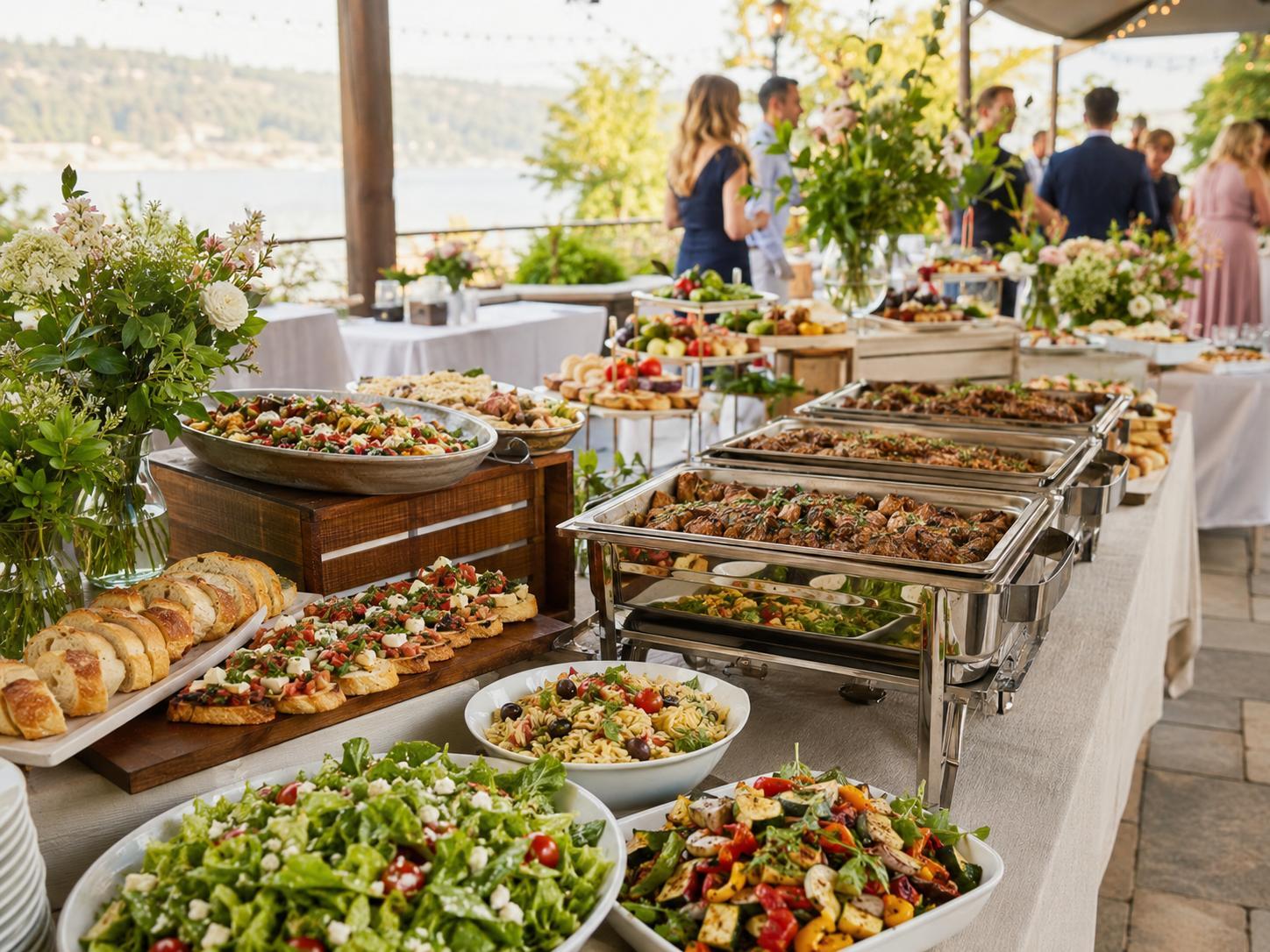
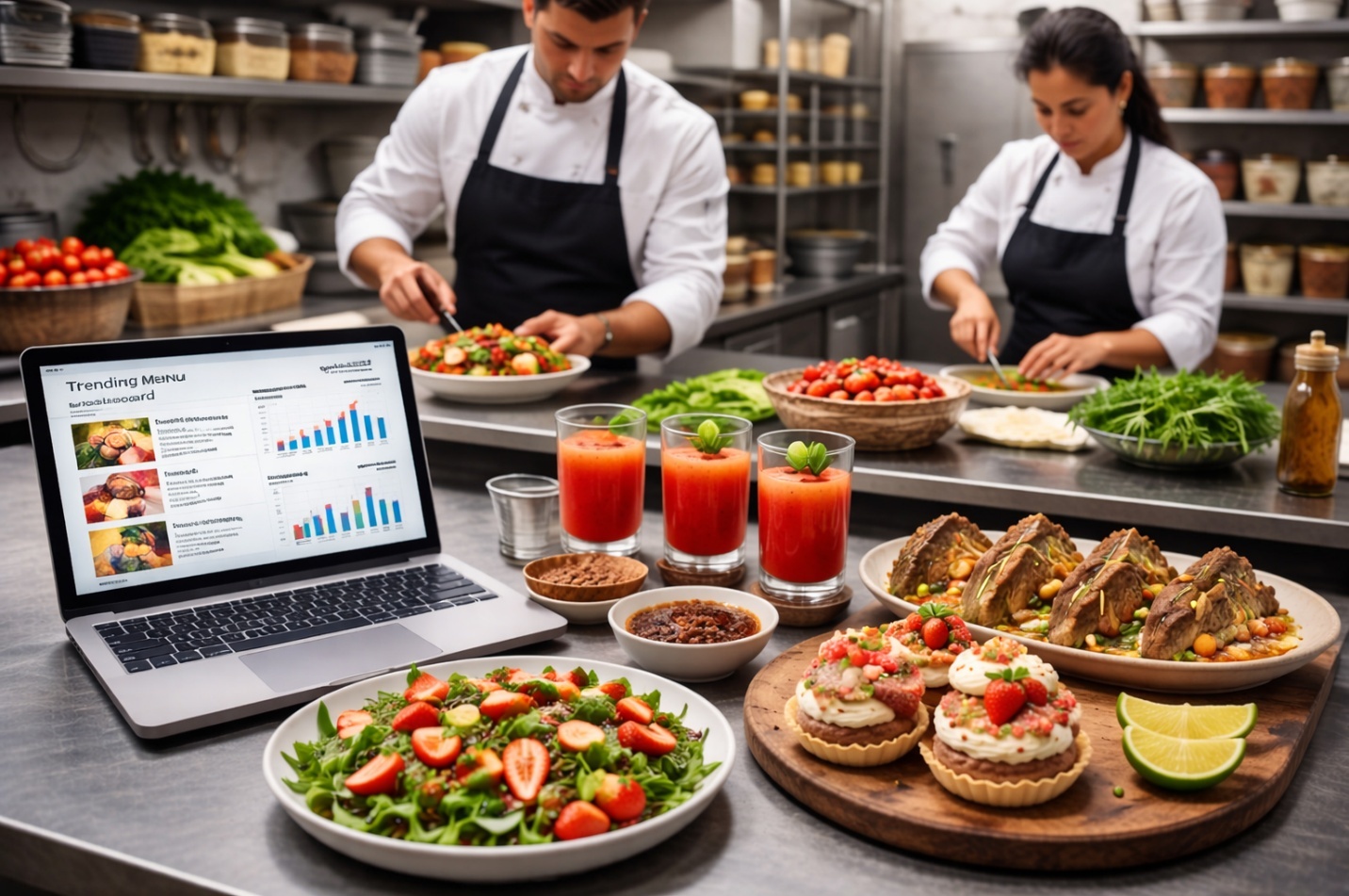

Summer packs more events into fewer weeks than any other season, and kitchens that are not prepared for the volume spike feel it almost immediately. From outdoor wedding receptions to corporate luncheons and graduation dinners, summer catering season puts pressure on every part of an operation, from the walk-in refrigerator to the order schedule and the supplier relationships holding it all together. At Apito Provisions, we see this pattern repeat across the tri-state area every year: the operations working with dependable wholesale food distributors well before June arrives are the ones that deliver consistently through August. Building your supply strategy before the season peaks is what separates smooth execution from last-minute scrambling. A look through our product catalog gives you a clear picture of what to stock before your first events are confirmed.
Why Summer Catering Demand Hits Harder Than You Expect
The catering industry does not ease into summer — it accelerates into it. Revenue in the foodservice sector climbs sharply from May through September, driven by outdoor events, milestone celebrations, and corporate gatherings that all compete for the same narrow calendar window. Industry data on catering sector growth consistently points to warm-weather months as the steepest revenue period for catering-focused operations. The challenge is not volume alone — it is the compounding effect of multiple pressures arriving at once: higher headcounts, shorter order windows, tighter delivery timelines, and a broader menu footprint than a standard mid-week service requires. An operation that handles 50 covers on a Tuesday in March may find itself managing a 200-person outdoor reception and a 120-person corporate luncheon within the same week in July. Supply chains that hold up at moderate volume can start showing real strain when summer demand peaks.
The operations that come through peak season without serious supply gaps are almost always the ones that treated their ordering calendar as a planning document in April, not a reactive tool in July.
Building a Bulk Order Strategy Before the Season Starts
The most useful thing any operation can do before summer begins is to sit down with the full event calendar and reverse-engineer its supply requirements. Start with confirmed bookings. Estimate the headcount range and menu categories each event draws from. Then work backward from each event date to identify the ordering windows that give you a two-to-three week buffer on your most critical staples. Proteins, deli products, condiments, dry goods, and specialty items each carry different lead times and shelf-life considerations, and a good bulk strategy accounts for all of them.
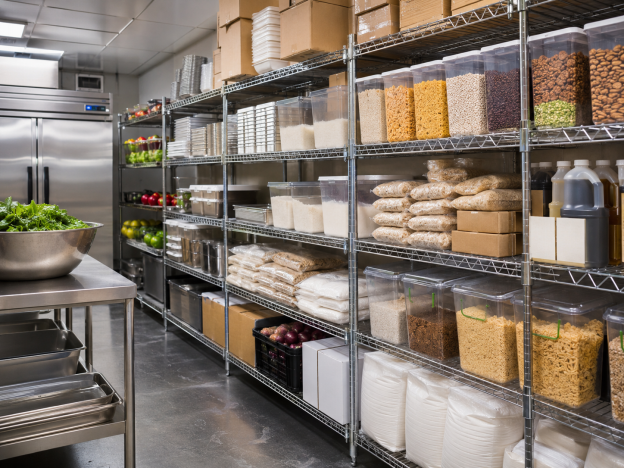
A bulk approach does not mean ordering everything at once. It means staggering orders so the right products arrive at the right time in quantities that match actual usage without generating spoilage at the back of the walk-in. Build those cycles into your calendar before the first event hits and execution becomes a matter of following the plan rather than reacting to shortages. Reviewing which products run short in summer and adjusting par levels seasonally is one of the most practical steps before peak demand arrives.
What Weddings and Corporate Events Actually Need From Your Inventory
Not every summer event draws from the same parts of your inventory, and understanding that difference sharpens your ordering strategy. Wedding catering tends to favor specialty proteins, artisan condiments, premium bread selections, and presentation-forward items that elevate both the visual and flavor profile of the service. The emphasis is on quality and variety within a carefully selected menu. Corporate events, by contrast, typically prioritize volume, consistency, and speed — the same reliable SKUs need to perform across multiple bookings with no variation in quality or availability.
Both formats share one non-negotiable requirement: nothing can run out mid-service. According to event industry reporting, operational failures during live events are among the most damaging outcomes a catering operation can face. Ordering a reasonable buffer above your projected quantities is not inefficiency — it is risk management built directly into the order. When you know a 250-person Saturday wedding is on the calendar, your weekly order for that period should reflect the full scope of that menu, not just your average usage figures.
Working With Food Service Suppliers to Prevent Last-Minute Gaps
Internal planning only goes so far. No amount of calendar preparation fully compensates for a supplier that cannot communicate proactively or adapt quickly when availability shifts unexpectedly. The food service suppliers that consistently support high-volume catering operations through summer are the ones that treat the distribution relationship as a two-way channel, flagging inventory changes before they become a problem and helping operators adjust when something runs short. Food Safety Magazine publishes practical guidance on food handling standards and operational best practices worth reviewing as service volumes increase across your summer schedule.
Sharing your summer event calendar with your distributor gives them the context to hold the right inventory and reach out when anything changes. That coordination only happens when the relationship goes beyond a transactional order point. Operations that communicate their schedules, flag their peak weeks, and stay in regular contact with their supply team come through the summer with fewer gaps.
Your Catering Season Starts With the Right Supply Partner
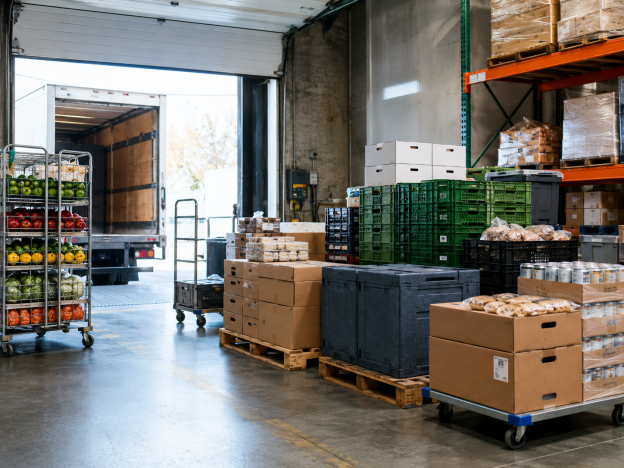
Apito Provisions has served New Jersey and the Tri-State area as a full-line food distributor since 1982. From deli products and specialty proteins to condiments, dry goods, and seasonal staples, our catalog is built to support the full range of what a catering kitchen depends on through the busiest months of the year. Connecting with the right restaurant food suppliers in New Jersey early in the season gives you an edge that last-minute scrambling cannot replicate.
From planning your first bulk summer order to managing inventory through a packed August schedule, access to a dependable source of wholesale foods makes the difference between a season that runs smoothly and one that keeps you on the back foot. Learn more about Apito Provisions and how we have supported tri-state operations for over four decades. Contact our team today to discuss your summer supply needs and get a head start before the season peaks.