
Global food culture continues to evolve, and 2026 marks a clear shift toward deeper, more authentic flavor exploration. Consumers are no longer satisfied with simplified versions of international cuisine. They expect dishes that reflect regional accuracy, layered flavor profiles, and culturally rooted ingredients. This demand is reshaping how food operations approach procurement. The conversation has moved beyond availability and toward how sourcing decisions directly impact authenticity, consistency, and operational efficiency.
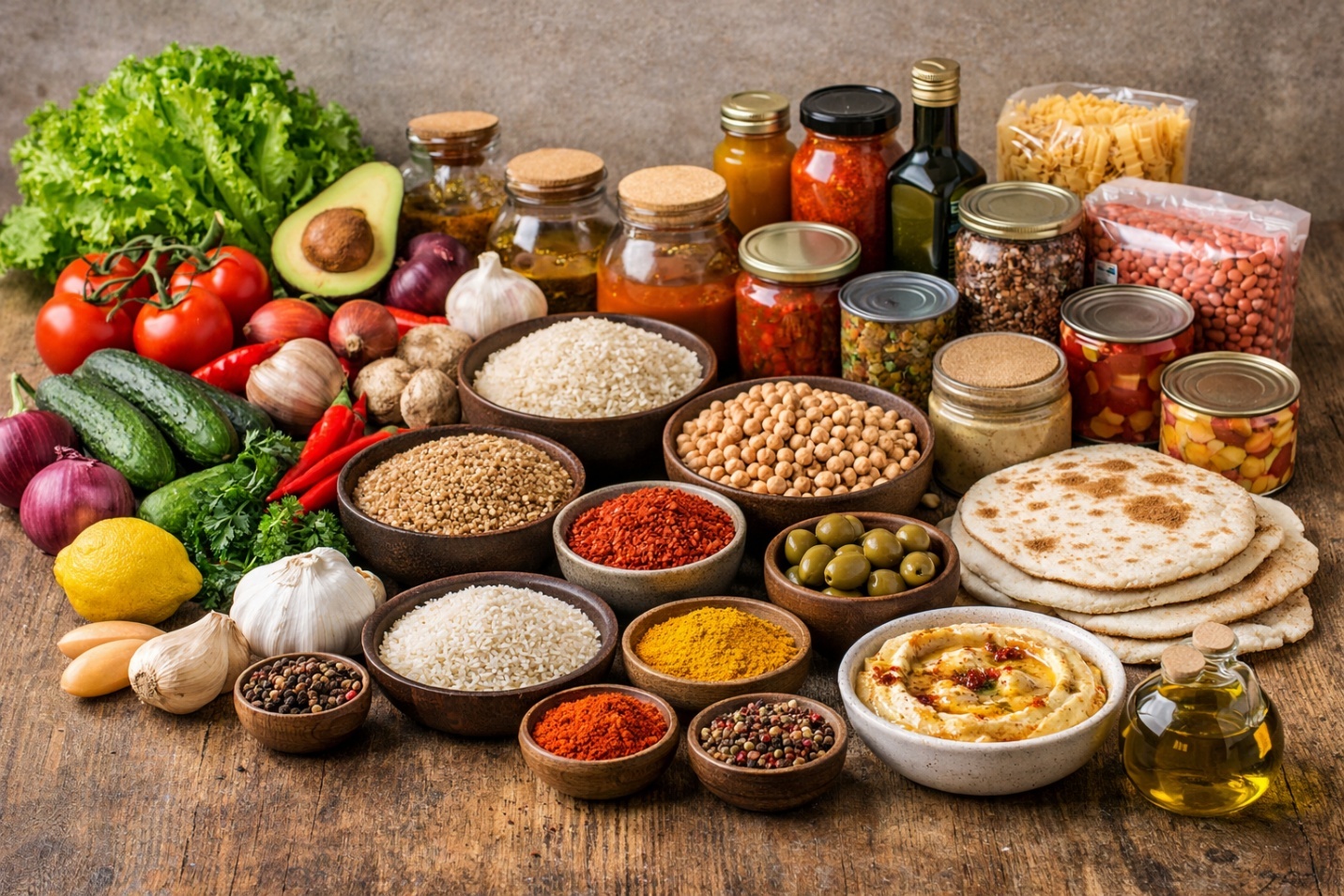
At the center of this shift is a growing emphasis on sourcing authentic ingredients. From Korean fermentation staples to Mediterranean pantry essentials and Middle Eastern spice blends, operators are rethinking how they build supply systems that support these complex, global menus without disrupting daily workflow.
Why Authenticity Matters More Than Ever
Authenticity now drives both perception and performance. When flavors feel accurate and well-balanced, they create a stronger connection with customers and elevate the overall experience. This is especially important in high-volume environments, where consistency across every order is critical.
However, achieving authenticity requires more than simply identifying the right ingredients. It depends on reliable access to those ingredients, proper storage conditions, and a supply structure that supports regular replenishment. Many operators searching for wholesale food distributors in New Jersey are increasingly prioritizing these factors over simple price comparisons.
A structured approach to sourcing allows businesses to maintain continuity across global menus. It ensures that core components—whether fresh, preserved, or packaged—remain consistent over time, even as demand fluctuates.
Korean Flavors: Fermentation, Balance, and Depth
Korean cuisine continues to gain momentum in 2026, driven by its balance of bold, fermented, and umami-rich elements. Ingredients like fermented vegetables, chili-based pastes, and soy-based condiments form the backbone of many dishes. These components require careful handling and consistent sourcing to preserve their intended flavor profiles.
The challenge lies in maintaining freshness while managing shelf life. Fermented items, in particular, demand stable storage conditions and predictable supply cycles. Operators exploring food distributors in New Jersey often seek systems that support both perishable and shelf-stable products within a single procurement structure.
A well-organized sourcing approach helps maintain the integrity of these ingredients while ensuring they remain available when needed. This reduces the risk of substitutions that can dilute the authenticity of the final dish.
Mediterranean Influence: Simplicity Backed by Quality
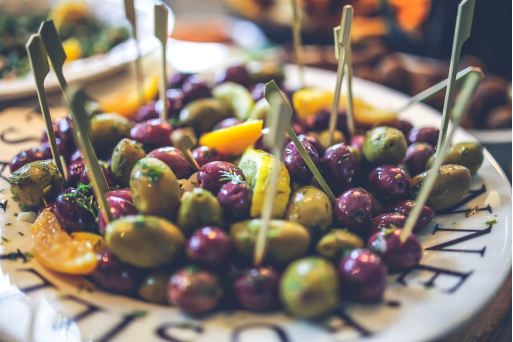
Mediterranean cuisine thrives on simplicity, but that simplicity depends heavily on ingredient quality. Olive-based products, grains, herbs, and preserved vegetables must work together seamlessly to create balanced dishes. Even minor inconsistencies can alter flavor outcomes.
For operations managing Mediterranean-inspired menus, sourcing becomes a matter of alignment. Ingredients must arrive in a condition that supports both preparation and storage without requiring excessive adjustments. This is where structured procurement systems provide an advantage.
Many operators evaluating food service suppliers' networks prioritize those that offer broad category coverage. This allows them to source multiple components from a centralized system rather than relying on fragmented suppliers. As a result, they can maintain consistency across dishes while reducing logistical complexity.
Middle Eastern Flavors: Spice, Texture, and Versatility
Middle Eastern cuisine continues to expand across diverse food environments due to its versatility and layered spice profiles. Staples such as spice blends, legumes, grains, and preserved items create a foundation for a wide range of dishes. These ingredients often require careful sourcing to ensure authenticity without compromising scalability.
Consistency plays a major role here. Spice blends, for example, must maintain their intended ratios and freshness over time. Variations in sourcing can lead to noticeable differences in taste, thereby affecting customer expectations.
Operators reviewing tri-state food distributors are increasingly focusing on suppliers that can maintain stable sourcing channels for these categories. A consistent supply system helps ensure that flavor profiles remain predictable, even in high-volume settings.
The Operational Side of Sourcing Global Ingredients
While global flavors attract attention, the operational side of sourcing often determines success. Managing a diverse ingredient list requires a system that supports inventory planning, storage, and ordering frequency. Without a structured approach, even the most thoughtfully designed menu can face disruptions.
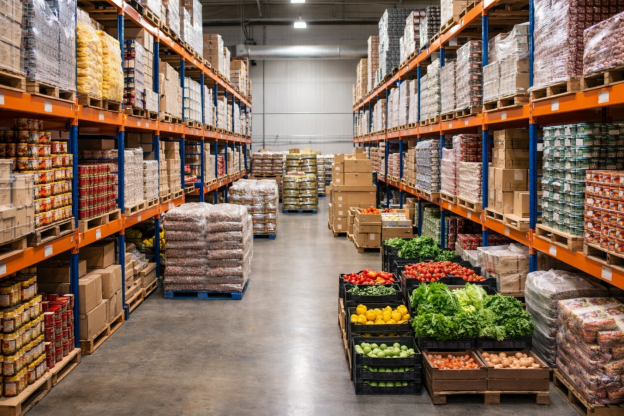
Centralized procurement offers a practical solution. By working with a single distribution system that spans a wide range of categories, operators can streamline ordering and reduce inventory gaps. This approach also simplifies forecasting by enabling better alignment between demand and supply.
Many businesses exploring wholesale food distributor options are shifting toward this model. It reduces the need for multiple vendor relationships while improving overall efficiency.
Balancing Fresh, Specialty, and Pantry Categories
A key aspect of sourcing authentic ingredients lies in balancing different types of inventory. Fresh items bring vibrancy and texture, specialty products contribute unique flavors, and pantry staples provide consistency. Each category requires a different sourcing strategy.
Fresh inventory demands careful handling and timely replenishment. Specialty items often require longer lead times and consistent sourcing channels. Pantry goods need stable storage conditions and predictable availability. Aligning these categories within a single system allows for smoother operations.
Operators evaluating food distributors in NJ often look for partners that can support all three categories without creating fragmentation. This integrated approach reduces complexity and helps maintain consistency across the entire menu.
The Role of Regional Distribution Networks
Regional distribution networks play an essential role in supporting global cuisine trends. They bridge the gap between international sourcing and local availability, ensuring that ingredients arrive in a usable condition and within a practical timeframe.
These networks also help maintain flexibility. As demand for certain cuisines grows, operators can adjust their sourcing strategies without overhauling their entire supply system. This adaptability is particularly important in fast-changing food environments.
Businesses analyzing food distributors in New Jersey often prioritize networks that offer both range and reliability. A well-established regional system provides the foundation needed to support evolving menu trends.
Looking Ahead: A More Structured Approach to Global Flavors
The rise of global cuisine is not a temporary trend. It reflects a broader shift toward cultural exploration and culinary accuracy. As this trend continues, sourcing strategies will become even more important.
Operators who invest in structured procurement systems position themselves to adapt more effectively. They can introduce new flavors, maintain consistency, and manage inventory without unnecessary complexity. This approach supports both creativity and operational stability.
At its core, sourcing authentic ingredients is about more than finding the right products. It involves building a system that supports those products from procurement to preparation. When done correctly, it allows food operations to deliver authentic experiences while maintaining efficiency behind the scenes.
Looking to strengthen your approach to sourcing authentic ingredients across global menus? Explore how Apito Provisions can support your supply system with a broad range of product categories and a structured distribution approach designed for operational consistency.