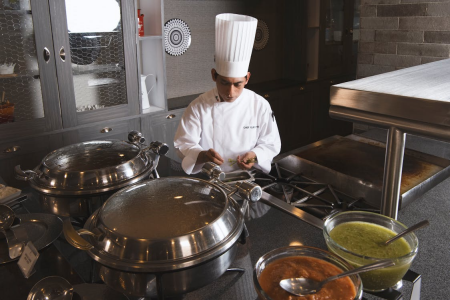

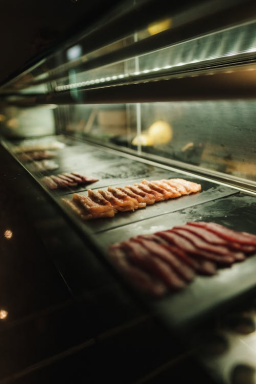

Spring is here, and with it comes an uptick in customer demand for fresh, vibrant menu items. From seasonal specials to catering for events like graduations, St. Patrick’s Day, and early-year promotions, restaurants and delis face the challenge of keeping kitchens fully stocked and operations smooth.
Without proper planning, busy kitchens can experience shortages, inefficiencies, and stressed staff. The key to success in spring catering is strategic inventory management, organized workflow, and partnering with a dependable food distributor.
Restaurants preparing for seasonal events during spring are better equipped to meet demand, execute timely promotions, and keep customers coming back. According to the National Restaurant Association, 85% of operators report increased catering demand during seasonal events, but only 60% feel fully prepared to handle the volume. A gap often caused by limited planning and inconsistent supply chains.
Understanding Spring Seasonal Needs
Spring menus bring unique ingredients and flavors. Think fresh spring vegetables, leafy greens, early berries, lamb, and light proteins. These menu items require timely sourcing to maintain freshness and quality. Efficient restaurants forecast these needs months in advance, analyzing prior seasonal trends, expected guest volume, and trending culinary flavors.
Partnering with a trusted restaurant food supplier and food distributor in New Jersey and the greater Tri-State area can simplify this process. Reliable distributors provide timely access to fresh produce, dairy, proteins, and specialty items, including online deli meat for catering orders. This ensures kitchens remain stocked with essentials without the risk of overstocking or running out of seasonal favorites.
Step 1: Audit Your Inventory
Begin with a comprehensive review of your current stock. Identify staples such as proteins, grains, and dairy, alongside specialty ingredients that elevate spring menu items. Include pantry essentials like oils, sauces, and condiments to avoid last-minute shortages.
Knowing what you have and what’s needed allows your kitchen team to focus on preparation and service rather than scrambling for missing items.
Step 2: Leverage a Full-Line Distributor
Working with a wholesale deli meat distributor or full-line supplier simplifies the sourcing process. Instead of juggling multiple vendors, a single trusted distributor can provide everything from fresh proteins to seasonal vegetables and specialty grocery items.
Full-line distributors also offer promotions and seasonal packages for spring catering. By using a Tri-State food distributor, restaurants can save time, reduce errors, and guarantee quality while ensuring that wholesale meat suppliers deliver items exactly when needed.
Step 3: Plan Menu Specials and Promotions
Spring is the perfect time to refresh your menu and offer seasonal dishes that highlight fresh ingredients and vibrant flavors. A structured approach ensures efficiency, minimizes waste, and maximizes customer satisfaction. Consider the following steps:
Identify seasonal dishes and specials
· Incorporate spring greens, fresh produce, and lighter proteins
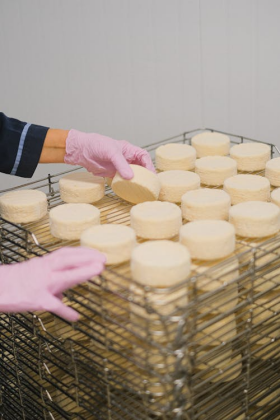
· Feature deli items, artisanal cheeses, charcuterie boards, sandwiches, and brunch options
· Consider catering trays for corporate events, graduations, or local gatherings
Analyze past spring performance
· Review sales data from previous spring seasons
· Identify best-selling menu items and trending flavors
· Test limited-time offerings to gauge customer interest without overcommitting inventory
Align ingredient orders with expected demand
· Confirm seasonal produce, proteins, and specialty items with your distributor
· Specify quantities, portion sizes, and prep requirements
· Avoid shortages and overstocking by planning delivery timing
Coordinate promotions and marketing
· Schedule online menus, social media posts, and email campaigns in line with ingredient deliveries
· Launch specials strategically to build anticipation and encourage repeat visits
Optimize kitchen prep and workflows
· Create prep lists, portion guides, and mise en place for each special
· Train staff on assembly procedures to maintain consistency and quality
· Reduce stress during peak service periods
Leverage bundled offerings and cross-promotions
· Combine seasonal salads with sandwiches or catering trays for efficient use of ingredients
· Promote combo deals for lunch, brunch, or early-year events
· Ensure all items are supported by your full-line food distributor for timely delivery
Monitor and adjust
· Track sales and customer feedback on each special
· Refine future spring offerings based on performance and seasonal ingredient availability
Step 4: Schedule Deliveries Strategically
Timing is crucial. Coordinate deliveries so perishable items arrive fresh and in manageable amounts. Many kitchens benefit from multiple small deliveries rather than one bulk shipment to maintain freshness and reduce storage strain.
Reliable restaurant food suppliers can accommodate flexible delivery windows and make last-minute adjustments if demand surges unexpectedly. This is particularly important for items like wholesale deli meat, which require proper storage for safety and quality.
Step 5: Train Staff and Optimize Prep
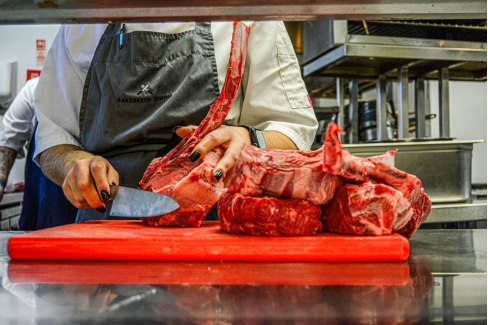
Even the best inventory strategy fails without a prepared team. Seasonal events often involve higher traffic, catering orders, and new menu items. Train staff on prep routines, organize workstations, and designate tasks clearly. Cross-training ensures flexibility during busy days and reduces errors, helping your kitchen run efficiently.
Step 6: Monitor, Adjust, and Communicate
Track inventory and sales throughout spring events. Adjust orders based on actual usage and unexpected demand. Maintaining open communication with your distributor ensures substitutions or additional deliveries can happen quickly, keeping service seamless.
By combining smart inventory planning, strategic menu preparation, and a dependable distributor, restaurants can handle spring’s busy events efficiently, without stress, and maintain consistent quality for every customer.
Pro Tip: Restaurants that integrate automated inventory tracking with a full-line distributor report up to 30% reduction in waste during seasonal catering periods. Efficient planning improves margins and keeps kitchens operating smoothly.

Keep Your Spring Catering Stress-Free
Partnering with Apito Provisions Inc. makes spring prep simple. From fresh proteins and seasonal produce to specialty pantry items, we provide a full-line product mix to keep kitchens fully stocked. As wholesale food distributors in New Jersey, serving the Tri-State area, we deliver timely, consistent, and reliable service, so your team can focus on crafting exceptional seasonal dishes. Contact us today to streamline your spring catering operations!