Hotels & Hospitality
Wholesale Food Supply for NJ Hotels: Breakfast to Banquets
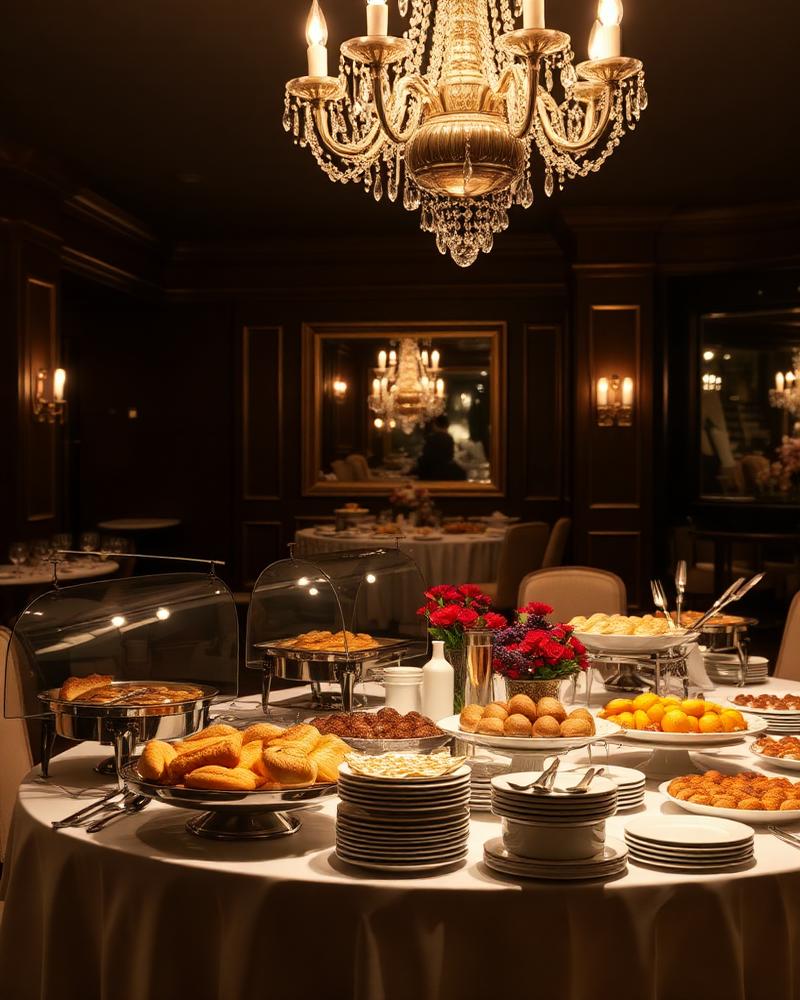
A hotel kitchen may serve a breakfast buffet, a room-service menu and a banquet for 150 guests in the same day. Each service has different timing, portion sizes and inventory requirements. That is why hotel food purchasing cannot be treated as a larger version of restaurant ordering. For hotels and hospitality properties in Northern New Jersey, a practical wholesale food plan needs to account for occupancy, event commitments and the food that must be ready before guests arrive.
Quick answer: A reliable hotel wholesale purchasing plan separates recurring breakfast needs from variable banquet and restaurant orders. It forecasts quantities from occupied rooms and confirmed guest counts, standardizes product specifications, and coordinates delivery and storage with each service window.
Separate the hotel's foodservice operations
The breakfast team may need milk, eggs, breakfast meats, bread, pastries and cheese every morning. Banquets may require portioned chicken, beef, pasta, seafood, bread service and specialty ingredients, often in much higher volumes on specific dates. The hotel bar or casual restaurant may use a smaller set of items throughout the week.
Start by creating a purchasing sheet for each revenue center. This prevents a large event order from hiding the needs of the normal breakfast operation. It also makes it easier to see which products can be used across departments without compromising menu standards.
A simple system might have separate tabs for breakfast, all-day dining, room service and events, with a shared summary of common ingredients. The food-and-beverage manager can then combine requirements into a wholesale order after checking existing usable stock.
Forecast hotel breakfast from occupied rooms
Hotel breakfast demand is better estimated from expected occupied rooms and historical participation than from a flat number of cases. If 100 rooms are occupied and past records show an average of 1.4 breakfast guests per room, the planning estimate is 140 guests before considering outside visitors or group bookings. This is an example only; each hotel should calculate its own actual rate.
Next, estimate consumption by product. Does the average breakfast guest take one pastry? How many choose eggs or breakfast meat? Which dairy products are used in cooking rather than served directly? Record what is replenished and what remains at the end of service.
Apito Provisions supplies breads and pastries, dairy and cheeses, deli meats and other foodservice staples, giving hotel buyers relevant categories to discuss for recurring breakfast orders. Current pack sizes and individual SKUs should always be confirmed.
Build banquet quantities from the event order
A banquet event order should guide purchasing. Review confirmed covers, meal choices, dietary requests, portion standards and the timeline for preparation. A plated dinner and a buffet require different service and replenishment calculations, even at the same guest count.
For a plated event, multiply confirmed portions by the required raw-product quantity after accounting for yield and preparation. For a buffet, use past consumption patterns, menu variety and responsible replenishment practices rather than preparing the maximum amount of every dish at once.
When ordering proteins and meats, ask about portion-controlled options, available pack sizes and fresh or frozen formats. Portion consistency can help purchasing teams calculate the number of servings without relying on estimates of irregular cuts.
Standardize specifications across the property
The most expensive food order is not always the one with the highest price. Ordering the wrong cheese format, inconsistent protein portions or an unsuitable bread size can create prep delays and extra waste. Write down product specifications for common menu items: approximate weight, cut, packaging, required quality and how the kitchen intends to use the item.
Share these requirements between the chef, purchasing staff and receiving team. When a substitute is offered, review whether it will work in the recipe and within cost targets before approving it. A product that is technically similar may behave differently during cooking or service.
Hotels operating multiple dining outlets should also agree on where substitutions are acceptable. A high- visibility banquet entree may need stricter specifications than a behind-the-scenes prep ingredient. The key is to make those decisions before the shipment arrives.
Coordinate ordering with storage and delivery
Large event orders can overwhelm the walk-in if they arrive without a storage plan. Check available refrigerated, frozen and dry space before approving a bulk purchase. Plan receiving staff and handling procedures for high-volume deliveries, and keep food-safety requirements central to the process.
Apito Provisions is a Fairfield-based, family-owned wholesale food distributor serving Northern New Jersey and additional tri-state locations. Its refrigerated fleet operates five delivery days a week, and the company lists next-day service for in-stock products during its delivery schedule. Hotels should confirm their route, lead times and order minimums directly, particularly for large events or specialty items.
Use recurring purchases to simplify the workweek
The breakfast program is often a useful place to begin. Track the most consistent items, create a review cadence and adjust quantities for weekday occupancy, holidays and booked groups. A standing purchasing checklist can reduce the chance that a basic ingredient is missed.
Keep event orders in a separate forecast, then combine purchases only after the relevant chefs sign off. This preserves visibility while reducing repetitive administrative work. It also creates a clearer history to review when preparing for the next comparable event.
Frequently Asked Questions
What food products do hotels typically buy wholesale?
Hotels commonly source breakfast bakery, eggs, dairy, deli meats, proteins, seafood, pasta, condiments and specialty ingredients. The right mix depends on whether the property operates breakfast, banquets, restaurants or room service.
Can a Northern New Jersey hotel use Apito Provisions for foodservice supply?
Apito Provisions lists hotels and resorts among the commercial businesses it serves. Contact the company to verify delivery coverage, account requirements, product availability and the schedule for your property.
How should hotels forecast banquet food orders?
Use confirmed guest counts, selected menus, standard portions, expected yield and a realistic service allowance. Keep banquet needs separate from daily dining inventory until the final purchase plan is prepared.
Make Hospitality Food Purchasing More Predictable
Whether your property operates breakfast only or several dining outlets, wholesale purchasing should follow your actual service schedule. Hotels and hospitality businesses across Northern New Jersey can contact Apito Provisions to discuss bakery, dairy, proteins, pantry goods and delivery options. Call (973) 787-0010 with your location, product needs and expected volume.
Ready to talk to a real supplier?
Family-owned since 1982, with refrigerated next-day delivery across Northern New Jersey and the tri-state area.