Restaurant Operations
Restaurant Inventory Par Levels: A Guide for Northern NJ Kitchens
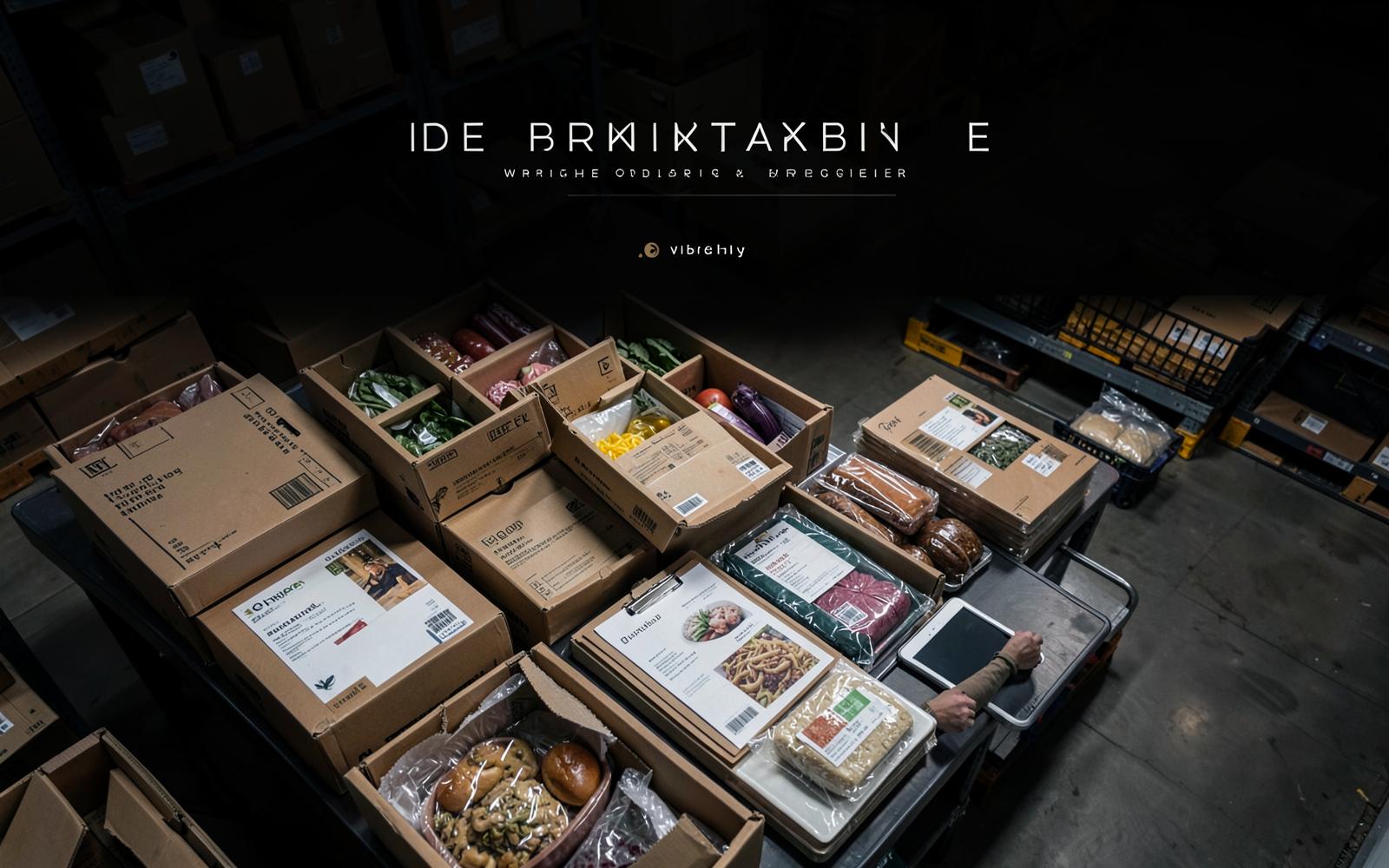
A restaurant can have a full walk-in and still run out of the ingredients needed for tonight's menu. The problem is often not a lack of stock. It is inventory in the wrong categories, unpredictable ordering or a par sheet that has not changed with demand. For independent restaurants in Newark, Jersey City, Clifton and the rest of Northern New Jersey, practical par levels can make wholesale food purchasing much more predictable.
Quick answer: A restaurant par level is a target amount of an ingredient to keep available between deliveries. Set it using forecast usage, time until the next delivery, usable stock on hand and a reasonable safety allowance. Update the number as sales, menu mix and delivery schedules change.
What is a restaurant par level?
A par level is the target inventory quantity that allows a kitchen to cover expected use before replenishment. It is not a permanent number, and it is not the same as ordering the identical case every week. The right level responds to sales volume, shelf life and how frequently product can be delivered.
For example, if a kitchen expects to use 12 pounds of chicken per day for three service days before the next receipt, its base requirement is 36 pounds. Add a buffer appropriate to demand variability, then subtract usable stock already on hand and confirmed incoming inventory. The resulting amount is the approximate new order.
This simple model works best when the kitchen records units consistently. Do not mix case counts, pounds and individual portions without converting them first.
Divide your inventory into practical groups
Fast-moving refrigerated ingredients
Meat, dairy, prepared items and other chilled staples require close attention to shelf life and storage capacity. Check actual use frequently and reorder in quantities that fit the next delivery cycle. Product specifications and storage requirements should guide every decision.
Frozen reserve inventory
Frozen proteins and prepared items can provide backup capacity, but only when freezer space and product handling are managed correctly. Use frozen stock intentionally for predictable menu items or emergency coverage, rather than buying it because a large case looks economical.
Dry goods and condiments
Pasta, rice, flour, cooking oils and dressings often allow longer ordering cycles than perishables. Keep track of usage and available storage, and rotate according to the product's date and handling requirements. The ideal ordering frequency may differ from the fresh-product cycle.
Apito Provisions offers proteins and meats, plus a wider wholesale food range covering dairy, bakery, pasta, condiments and specialty grocery. A category-by-category par sheet makes these conversations more useful.
Build a simple weekly ordering formula
Start with projected demand for the time until the next delivery. Add a small safety allowance based on your history, then subtract what you already have in usable condition. Also account for stock already on the way. Do not order solely to hit a round case count unless the case size and shelf life make sense.
Here is an illustrative example for a restaurant's sandwich roll order:
Projected use before the next delivery: 180 rolls. Safety allowance for extra traffic: 20 rolls. Usable rolls currently available: 50. Suggested replenishment target: 150 rolls, adjusted to the supplier's actual case pack.
The calculation is simple. The discipline comes from measuring real usage and checking stock before ordering. If the kitchen routinely needs an emergency run, either the forecast, the count or the delivery plan needs review.
Make forecasts more accurate by looking at menu mix
Sales dollars do not tell a chef how much chicken, mozzarella or pasta to buy. Recipe-level usage does. Compare the number of dishes sold with their standard portions, and watch for specials that shift demand toward one ingredient.
For example, a popular sandwich special may raise turkey purchases while leaving overall lunch sales flat. A banquet might require a large protein order for a single date rather than a permanent increase in par. Seasonal weather, nearby events and changes in operating hours can all affect the pattern, so the par sheet should have room for manager notes.
Do not overlook prep yield. A 10-pound delivery does not always create 10 pounds of usable portions. Where trimming or cooking loss is meaningful, plan on the usable yield required by your recipe rather than the raw weight alone.
Coordinate the plan with the actual delivery route
Inventory planning should use confirmed delivery days, order cutoffs and lead times. A restaurant that receives food on a different rhythm from its busiest days may need a larger buffer ahead of weekends or catered events.
Apito Provisions is based in Fairfield, New Jersey, and lists next-day delivery on in-stock products across its operating routes, five days a week. Its tri-state delivery page lists service areas in New Jersey, New York and Pennsylvania. Buyers should confirm the schedule and minimum order for their individual location.
Make a note of the person who approves orders, the person who receives them and the person who changes pars after a menu change. When those roles are unclear, errors become easy to repeat.
Review the items that cause the most waste
A weekly inventory review should identify products that expired, spoiled, were over-prepped or had to be purchased urgently. Look for repeated patterns rather than blaming a single quiet day. If a specialty cheese is regularly discarded, the pack size or menu frequency may be wrong. If the kitchen runs out of bread each Friday, the Thursday forecast may be too low.
Track a few practical measures: emergency purchases, discarded units, stockouts and the difference between forecast and actual use. You do not need a complicated system to improve, but you do need consistent counting.
Frequently Asked Questions
How do restaurants calculate par levels?
Estimate ingredient usage until the next delivery, add an appropriate safety allowance, subtract usable stock and account for confirmed incoming product. Round to available pack sizes when placing the order.
How often should restaurant par levels change?
Review them whenever sales, menu offerings, event volume or delivery schedules change. High-volume perishables may need more frequent adjustments than shelf-stable pantry items.
Can a food distributor help with inventory planning?
A distributor can clarify pack sizes, categories, product alternatives, delivery days and ordering options. The restaurant still needs to provide accurate sales history, recipes and on-hand counts.
Turn Your Par Sheet Into a Better Wholesale Order
A useful par level connects menu demand to a repeatable purchasing decision. If your Northern New Jersey restaurant is reviewing wholesale meat, dairy, breads or pantry orders, contact Apito Provisions to discuss the categories you use most and confirm route details. Call (973) 787-0010 to start a commercial supply conversation.
Ready to talk to a real supplier?
Family-owned since 1982, with refrigerated next-day delivery across Northern New Jersey and the tri-state area.